


 27 / 52

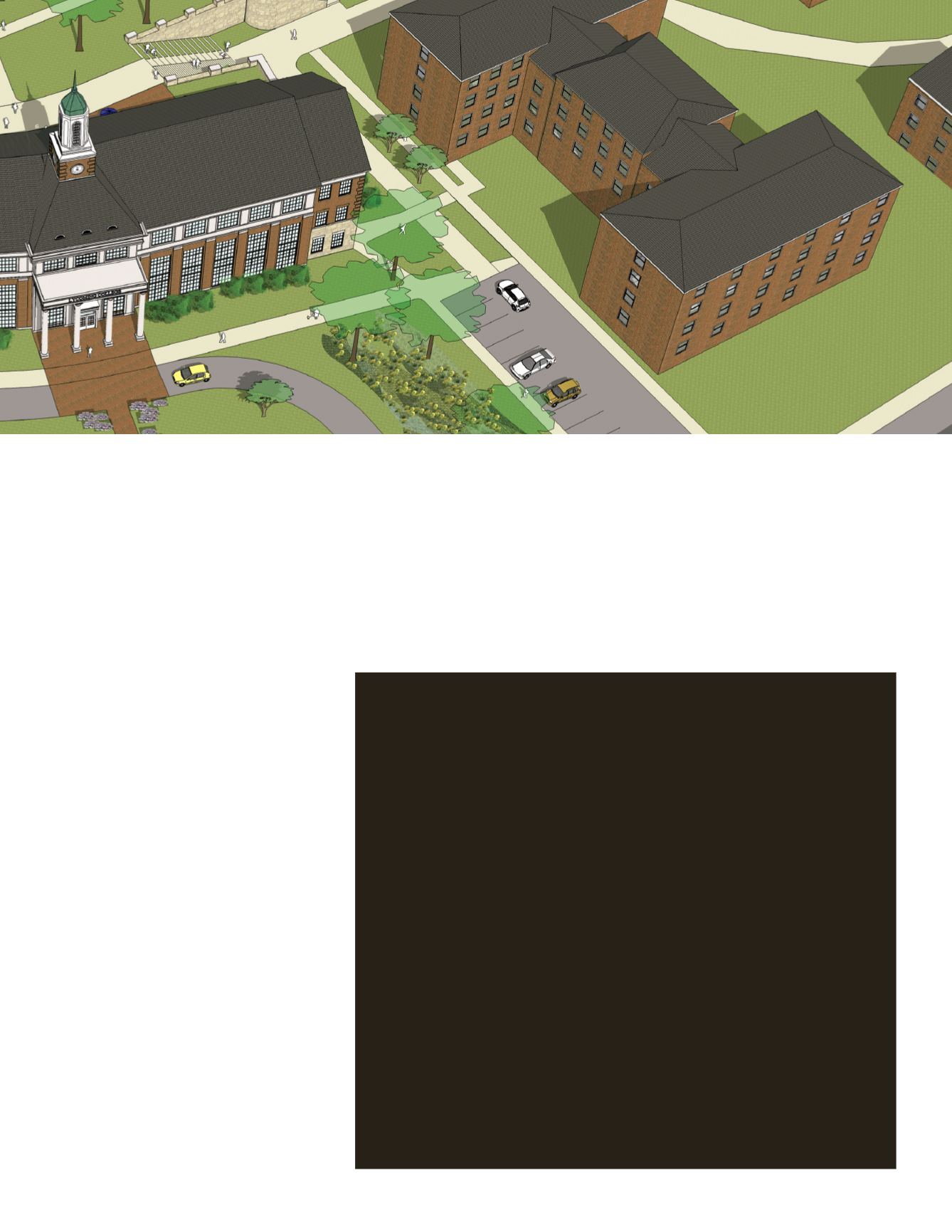
by Patrick Marty
To the casual observer, the renaissance
had stopped short of this historic
neighborhood, which would become known
as “Old City.” But according to Lycoming
professor emeritus of art Jon Bogle, already
“the once near-derelict neighborhood had
been self-improving… spontaneously, with
no funding and scant notice by the city.”
“This turnaround didn’t happen just
because investors wanted to make money,
but because there was a core of great
buildings that drew energy and investment
to them,” Bogle wrote to city leaders in
2012. “History and aesthetics saved this
neighborhood.”
In fact, it was Bogle who coined
the name “Old City,” in reference the
oldest section of the hundred acres that
Williamsport founder Michael Ross first
laid out in 1800, centered around the
historic Russell Inn.
Bogle credits both John Albarano’s
commercial development at the foot of
Basin Street and an early historic building
E
to
D
REAM.
BASIN STREET REDEVELOPMENT
The presence of one small commercial building — the Korner Kuts barber
shop — impedes the ability to directly connect Basin and Franklin Streets to
create a true four-way intersection at East Fourth Street. This misalignment has
created a dog-legged intersection that is extremely dangerous for pedestrians
and cyclists traveling onto campus and further north of Old City.
The Gateway Project calls for acquiring and razing the commercial building,
and realigning Franklin Street to ensure a seamless and direct connection to
Basin Street, and the project’s streetscape design incorporates street lights,
brick pavers and other pedestrian amenities.
More broadly, by leveraging state funding to complete transportation
improvements on Basin and East Third Streets, the city can create a strong
connection between the I-180 Basin Street exit and the campus. To that end,
the city plans to convert Basin Street from one-way traffic to a two-way
boulevard with a pedestrian island separating each lane.
Currently, a lack of sidewalks along the southern edge of campus forces
pedestrians to use parking lots to navigate through campus and to destinations
north of Old City. The project will create a network of walks that will greatly
improve safety and mobility through this portion of campus and Old City, not
only helping to remove the conflict between pedestrians, cyclists and vehicles,
but also connecting the business district to the Gateway Building and other
assets on campus. —
Teresa K. Sparacino, vice president, community/economic
development, Delta Development Group Inc.
27
www.lycoming.eduC AM PA I G N